

Basement Remodeling in Summit Park, Utah
Steep Lots, Deep Snow, Careful Planning
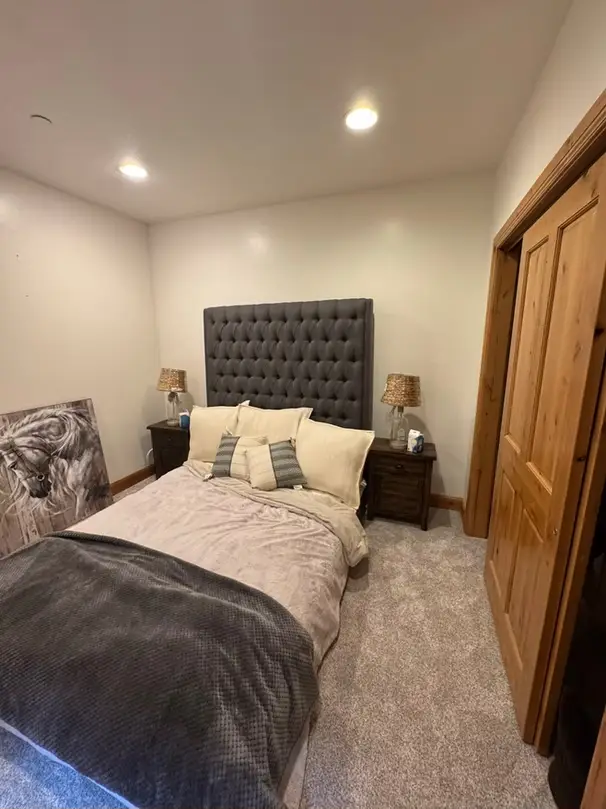
Cabin-to-Home Lower Levels: Many older Summit Park homes started as mountain cabins and grew over the years. We turn partial basements and storage levels into real year-round living space with basement finishing, after checking the structure first.
Remodels of Tired Finishes: Knotty pine, worn carpet and dim lighting get a full update, with better insulation behind the walls, through basement remodeling.
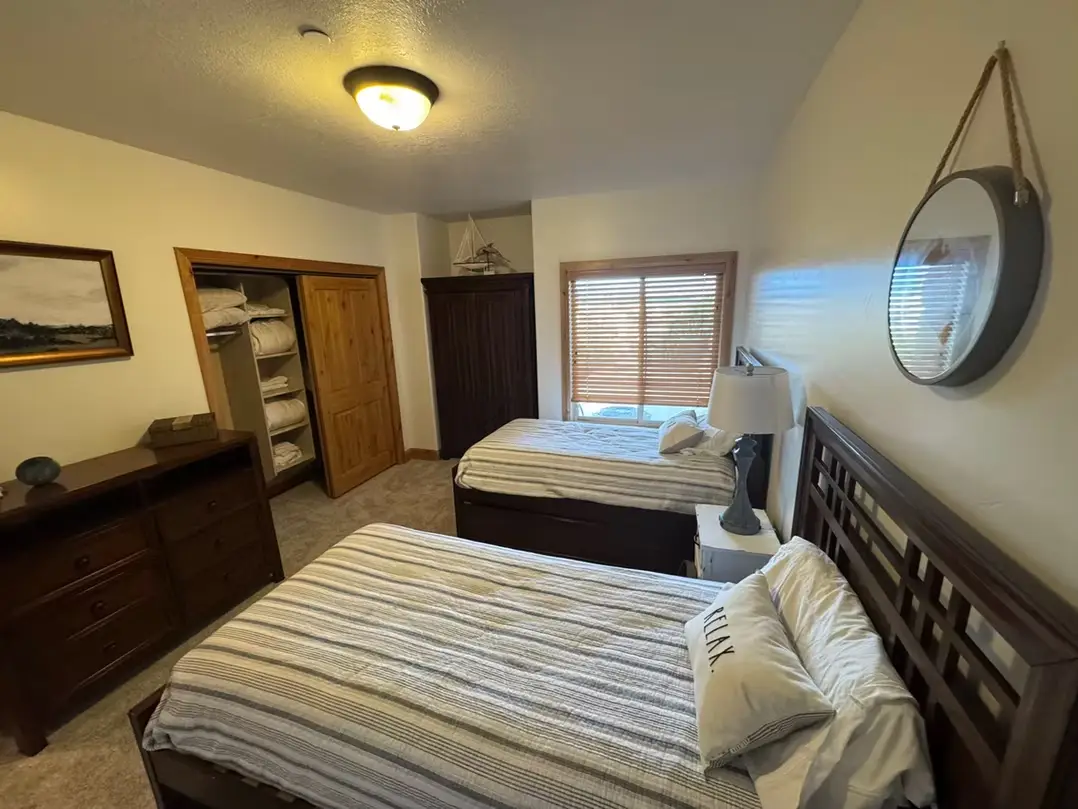
Snow-Smart Bedrooms: Egress windows and wells placed away from roof dump zones, with covers that shed snow and still open from inside.
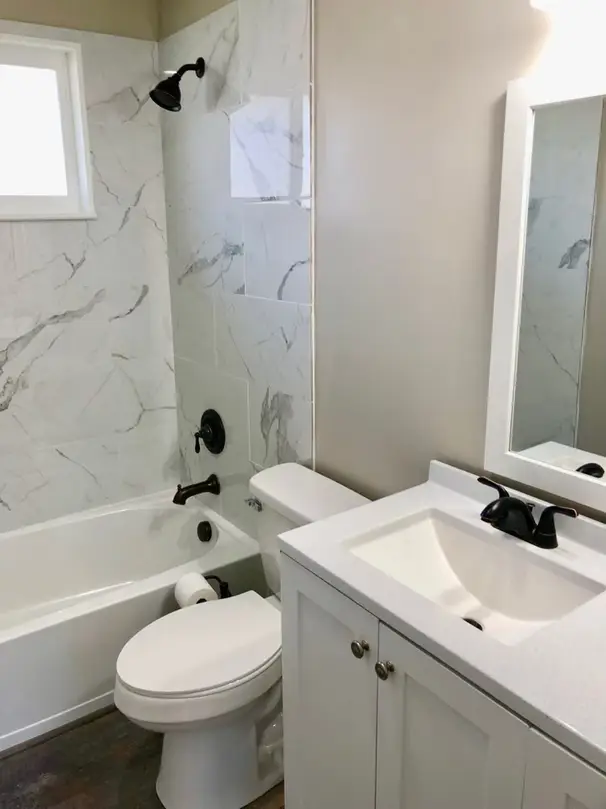
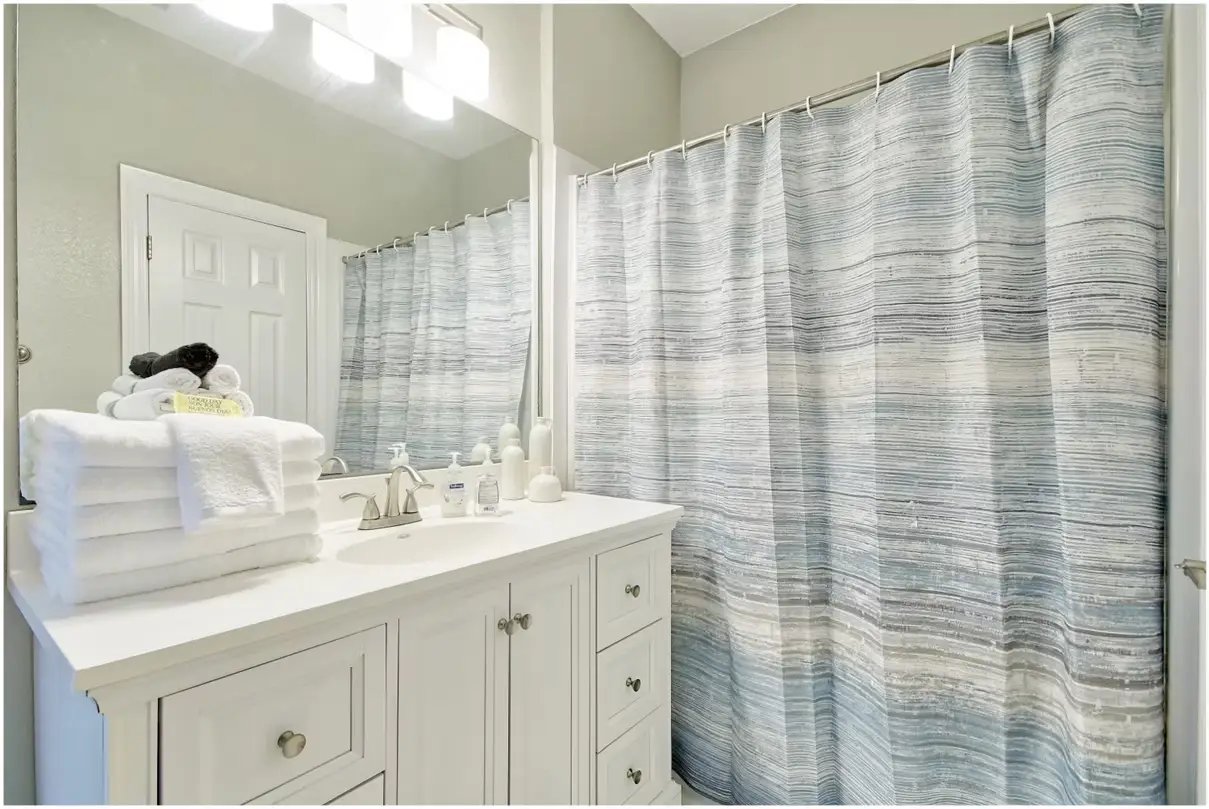
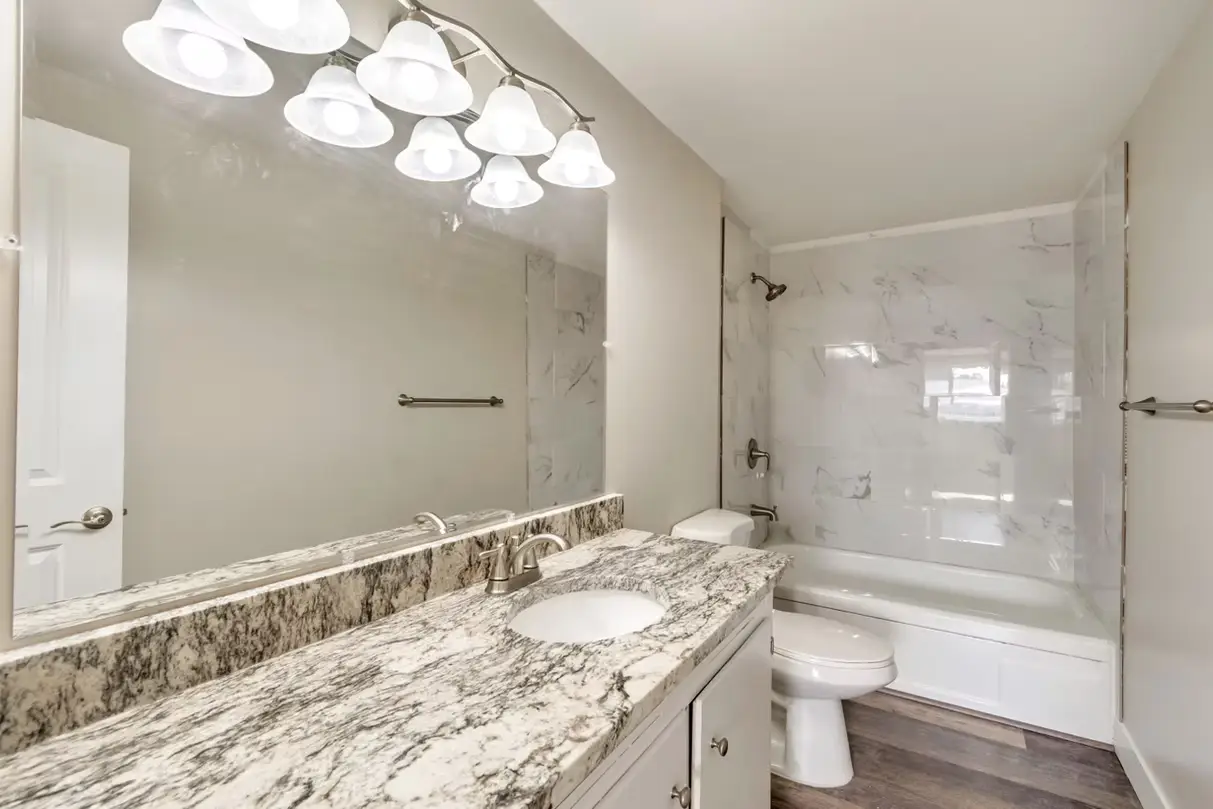
Bathrooms: A lower-level bath saves trips up steep interior stairs and makes a guest room fully usable. See basement bathrooms.
Mudrooms & Gear Storage: Durable floors, hooks and drying space for the snowshoes, skis and boots that come with living near the summit, right where you come in from the driveway.
Home Offices: A quiet, warm workspace that saves the winter commute down Parleys on stormy days, with extra outlets, good task lighting and a door that closes.
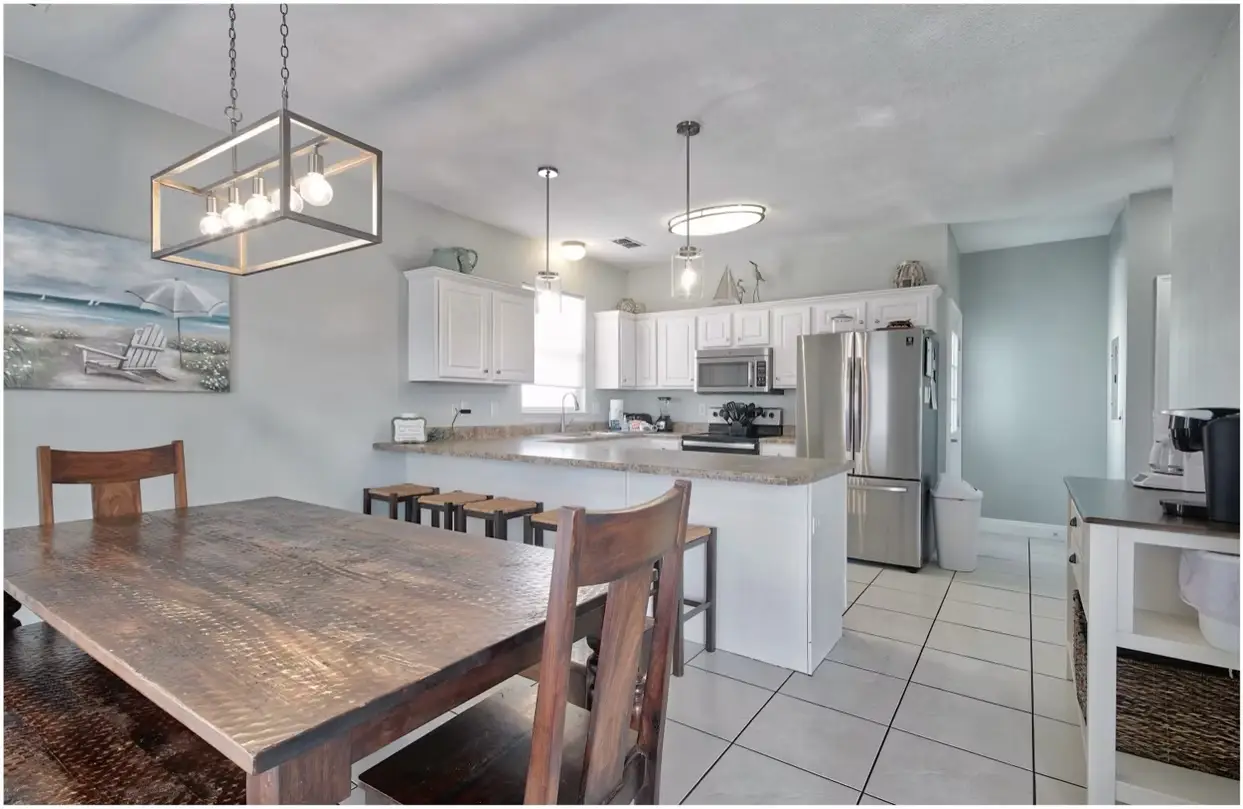
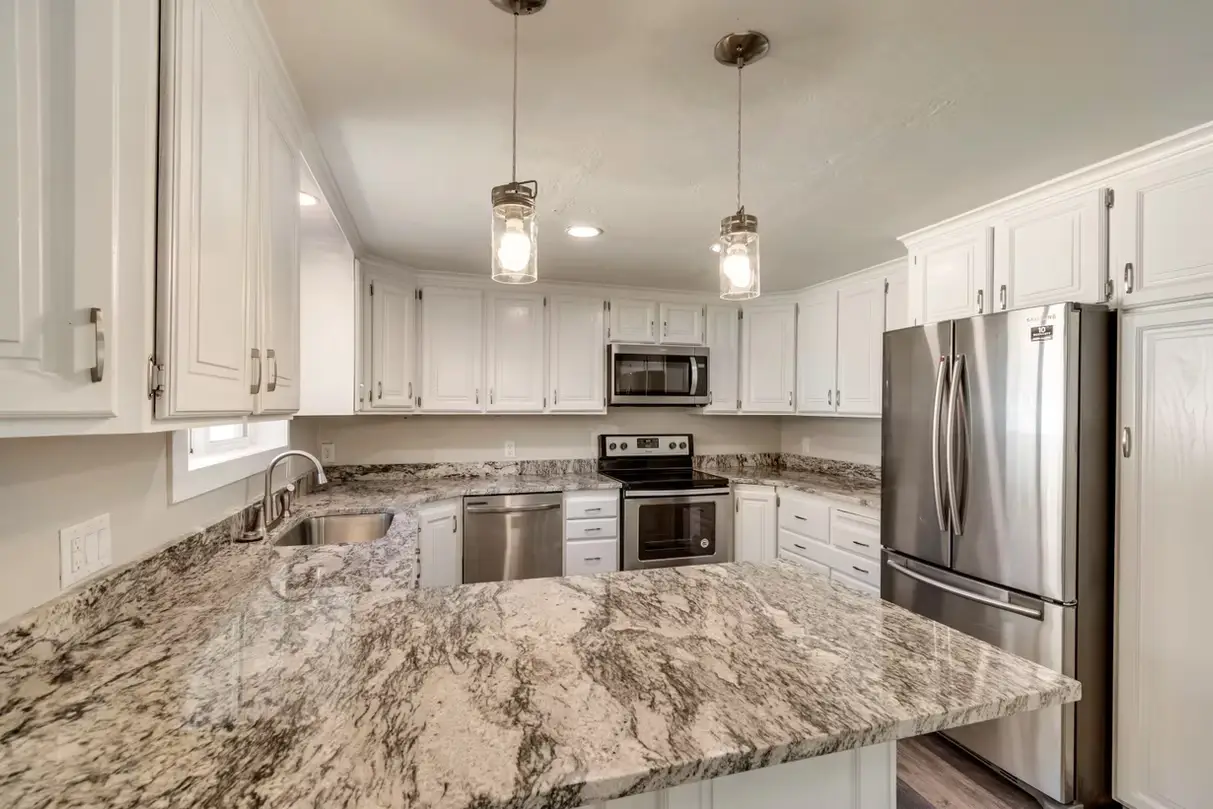
Guest or Rental Suites: Self-contained space with a kitchenette where Summit County rules allow. See ADUs and basement kitchens.
Whole-Home Remodels: For cabins that became full-time homes, one project lead can manage the basement and the floors above.
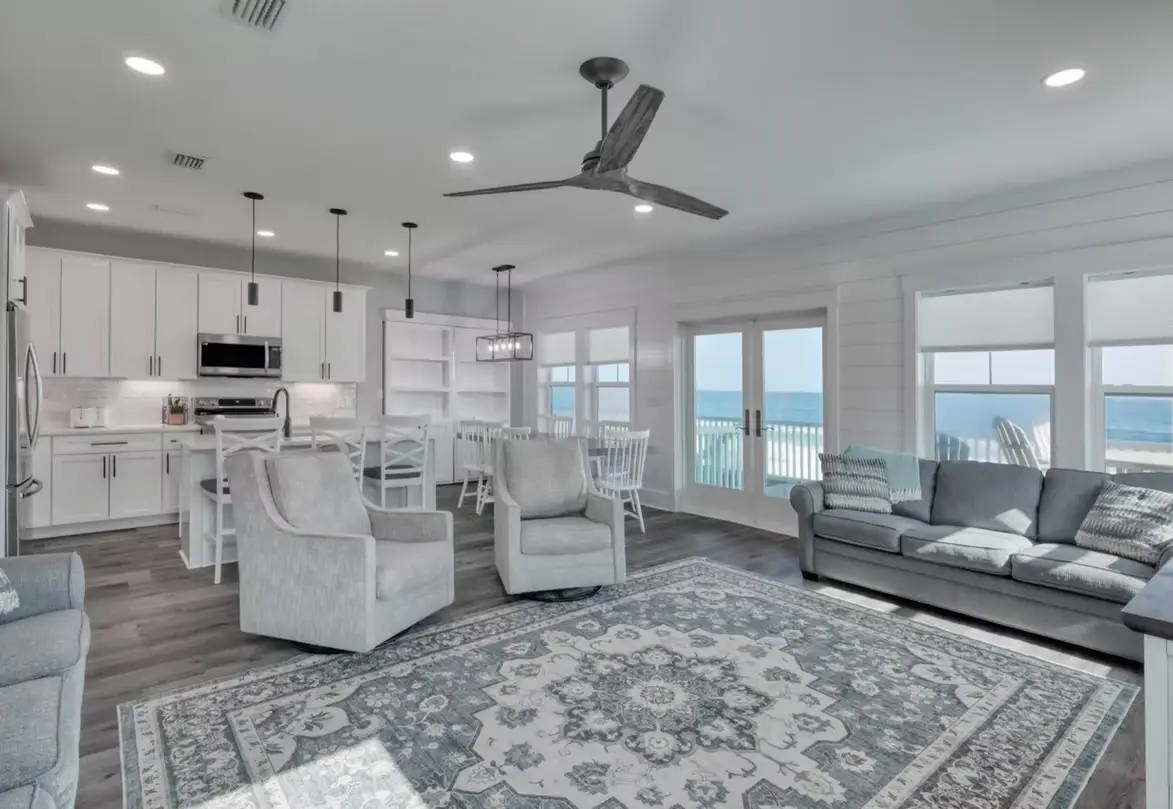
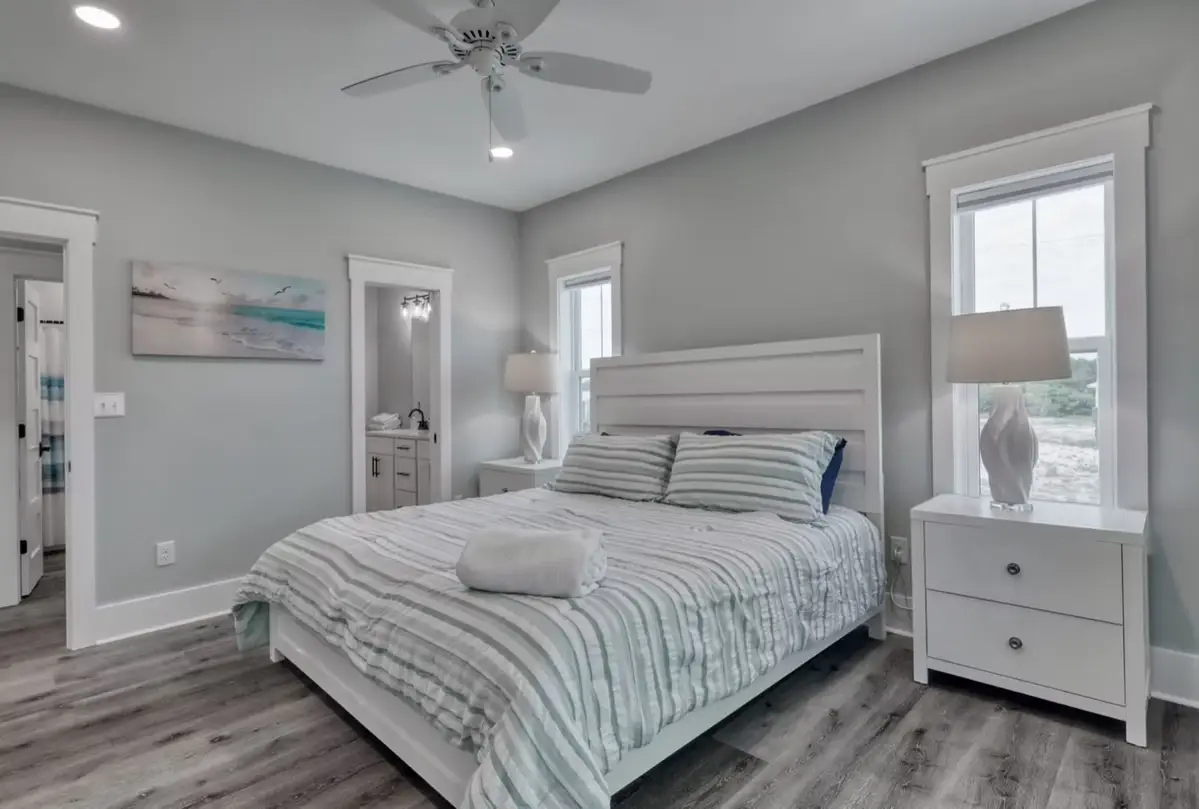
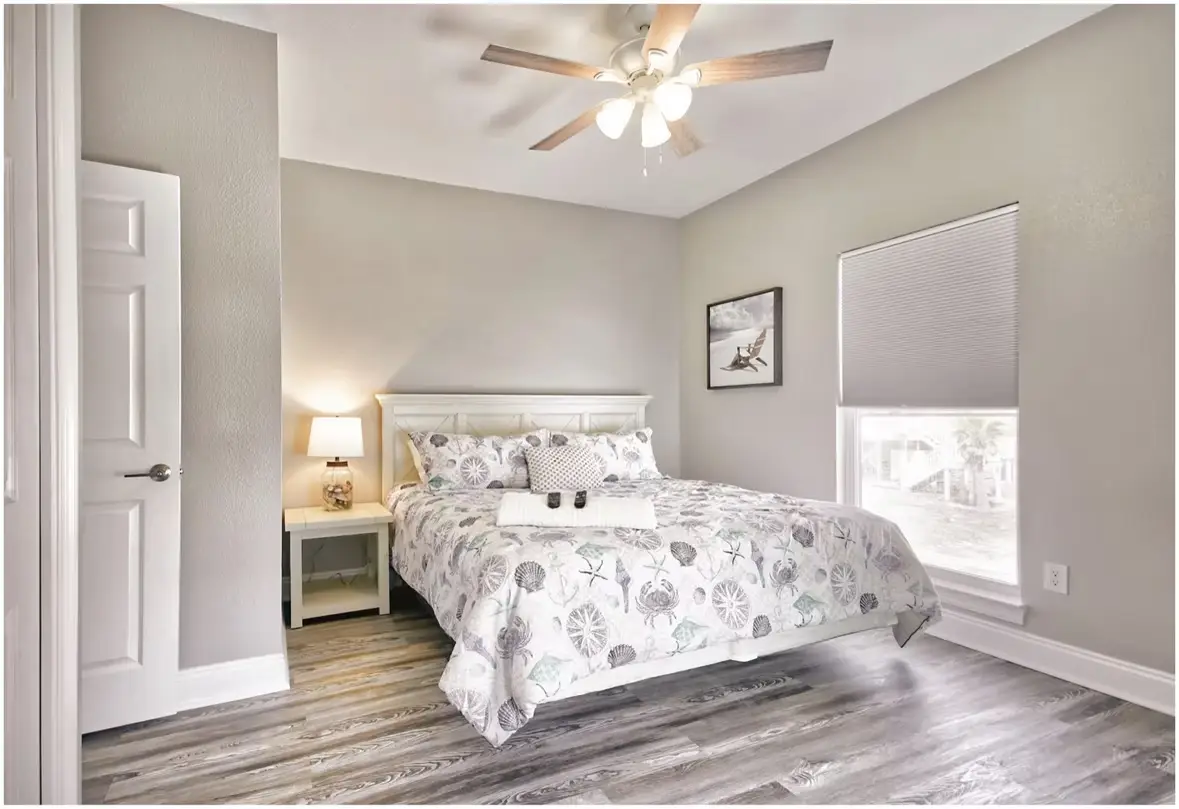
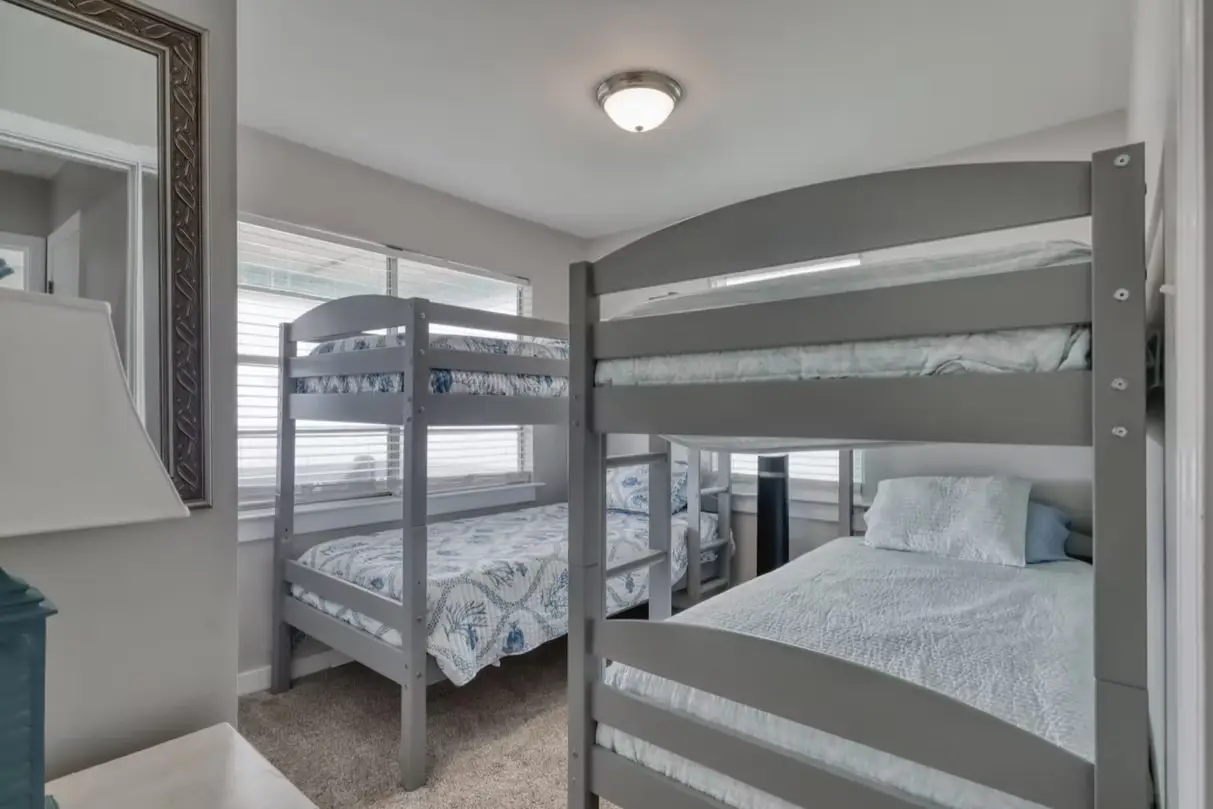
Summit Park Basement Projects: Access, Snow and Wildfire Considerations
Can a crew get materials to a steep Summit Park lot?
Yes, with planning. Narrow, winding roads and steep driveways mean we often stage deliveries in smaller loads, schedule drywall and lumber drops around weather, and plan where dumpsters can safely sit. In winter, plowing and parking limits shape the schedule as much as the work inside does.
We work these details out during the on-site consultation so they appear in your itemized estimate rather than as surprises later.
Why Summit Park basements are their own category
Summit Park sits high on the ridge near Parleys Summit, among the highest residential areas in the Snyderville Basin. That brings a few conditions you won’t find down in the Salt Lake Valley or even in Kimball Junction:
- Older, varied foundations. Homes range from early cabins to newer custom builds. Some have full basements, others partial basements or crawlspaces dug into the hill. We evaluate structure first and coordinate engineering in-house if needed.
- Roof snow and window wells. Heavy snow sliding off steep roofs can bury a well in one storm. We place egress wells away from roof dump zones when possible and specify covers that open from inside without tools.
- Hillside water. Snowmelt runs downhill against buried walls every spring. We check for staining, efflorescence and leaks before framing and use rigid foam and moisture-tolerant flooring.
- Radon. Utah DEQ urges testing in every home; the EPA action level is 4 pCi/L. Mitigation is easiest to add before finishing.
Does wildfire risk affect a basement project?
It can affect the exterior pieces. Summit Park’s dense trees put it squarely in the wildland-urban interface, so new exterior openings, window wells and any work that changes the outside of the house may face added review or material requirements. We confirm current Summit County requirements for your lot and keep the job site clean of combustible debris while we work.
What does finishing a Summit Park basement cost?
Expect the upper end of published Utah ranges. Statewide, 2026 basement finishing pricing runs roughly $40 to $100+ per square foot, and difficult access and high-elevation logistics push Summit Park projects toward the top.
- Basic finish: roughly $45 to $65 per sq ft
- Upgraded finishes: roughly $60 to $85 per sq ft
- Kitchen or bath and high-end finishes: roughly $75 to $110+ per sq ft
- Typical 1,000 sq ft Utah basement: roughly $45,000 to $85,000
These are general Utah figures, not our quote. Structural work on an older foundation can change the picture, which is why your real number comes from the itemized estimate.
Permits for Summit Park homes
Summit Park is unincorporated, so basement permits are issued by the Summit County Building Department. We prepare and submit plans and coordinate inspections, and we build extra time into winter schedules for road and weather conditions.
Whole-home remodeling in Summit Park
Older cabins that became year-round homes often need more than a basement: updated kitchens, baths, and layouts that make sense for full-time living. Our whole-home remodels put one dedicated project lead in charge from demo to final walkthrough.
How long does a Summit Park basement take?
Most Utah basement finishes take about 8 to 12 weeks of construction after permits, and in Summit Park we build a weather buffer into that estimate. A December storm can delay a drywall delivery by a day or two, and spring runoff can slow exterior digging. Older homes may also need structural or mechanical work before finishing starts. We set expectations honestly in your estimate, then keep you posted with daily logs and a Friday on-site review, so a snow day never turns into a mystery about where your project stands.
Where we work in Summit Park
- Upper Summit Park ridge-top homes
- Streets near the Parleys Summit interchange
- Lower Summit Park bordering Pinebrook
- Hillside lots above the I-80 corridor
Neighbors down the hill can read our Pinebrook and Jeremy Ranch pages, and our Summit County hub covers the rest of the area. Ready to start? Contact DreamBuilt for a free estimate.
Words From our clients.
Summit Park Basement Remodeling FAQs
Can you work on a Summit Park basement in the middle of winter?
Interior work, yes. Framing, electrical, drywall and finishes all happen indoors and can continue through winter. Exterior tasks like cutting a new egress opening and digging a well are much easier outside deep snow season, so we often schedule those first or plan around them. Winter deliveries simply need more coordination on steep, narrow roads.
My Summit Park house has a crawlspace, not a basement. Can it be converted?
Sometimes, but it is a structural project, not a simple finish. Lowering a crawlspace means excavation and new foundation work under an occupied home, which needs engineering and careful access planning on a steep lot. We can evaluate your home and coordinate engineering in-house to tell you honestly whether it makes sense.
How do I keep snow from burying my basement egress window?
Start with placement. Wells under steep roof edges catch sliding snow, so we try to locate them on gable ends or protected walls. A well cover that sheds snow and still opens easily from inside helps too. Required minimums still apply: a 9 sq ft well with a 36 inch projection and a ladder if deeper than 44 inches.
Does Summit Park's wildfire risk change what materials you use?
It can for exterior elements. Because Summit Park is heavily wooded wildland-urban interface, the county may require specific materials or review for new exterior openings and related work. Interior basement finishes are generally unaffected. We check current county requirements for your parcel before ordering windows, wells or covers.
Will difficult access raise the price of my project?
Usually some, yes. Smaller delivery loads, hand-carrying materials down steep paths, and winter scheduling all take time. We would rather show that clearly in your itemized estimate than surprise you later. What we quote is what you get, and there are no surprise bills at the end.
Who will I talk to during my Summit Park basement project?
The owners still answer the phone, and larger whole-home projects get one dedicated project lead from demo through final walkthrough. You also get daily logs and an on-site review every Friday. You can see how each step works on our process page.