

Basement Remodeling in Salt Lake County, Utah
One Family Builder, Nineteen Valley Communities
Basement finishing: Raw concrete to finished living space, common in newer homes across South Jordan, Herriman and Riverton. See basement finishing.
Basement remodeling: Reworking older finished basements in established areas like Sandy, Millcreek and Taylorsville, where paneling, low beams and tired layouts are the norm. Learn about basement remodeling.
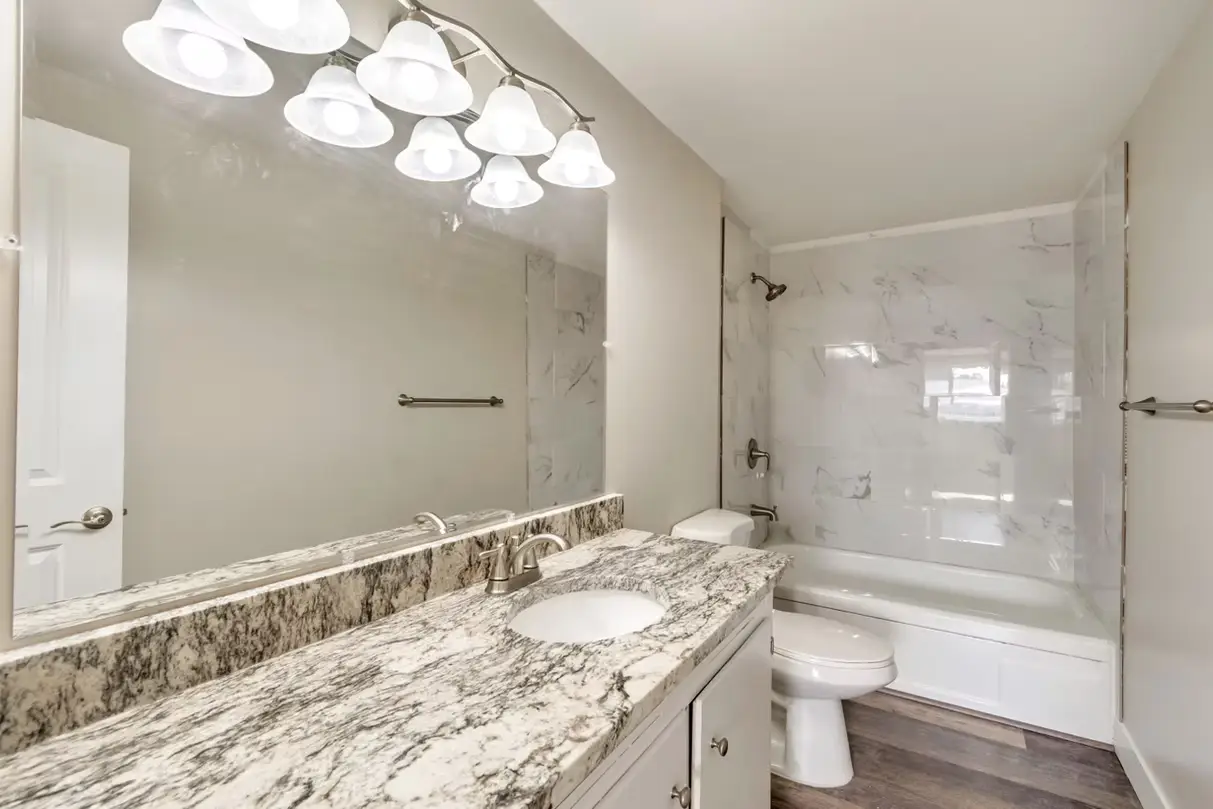
Bathrooms below grade: New or rebuilt basement bathrooms with proper venting, waterproofing and drain planning, whether we’re tying into a builder’s rough-in or laying out new lines.
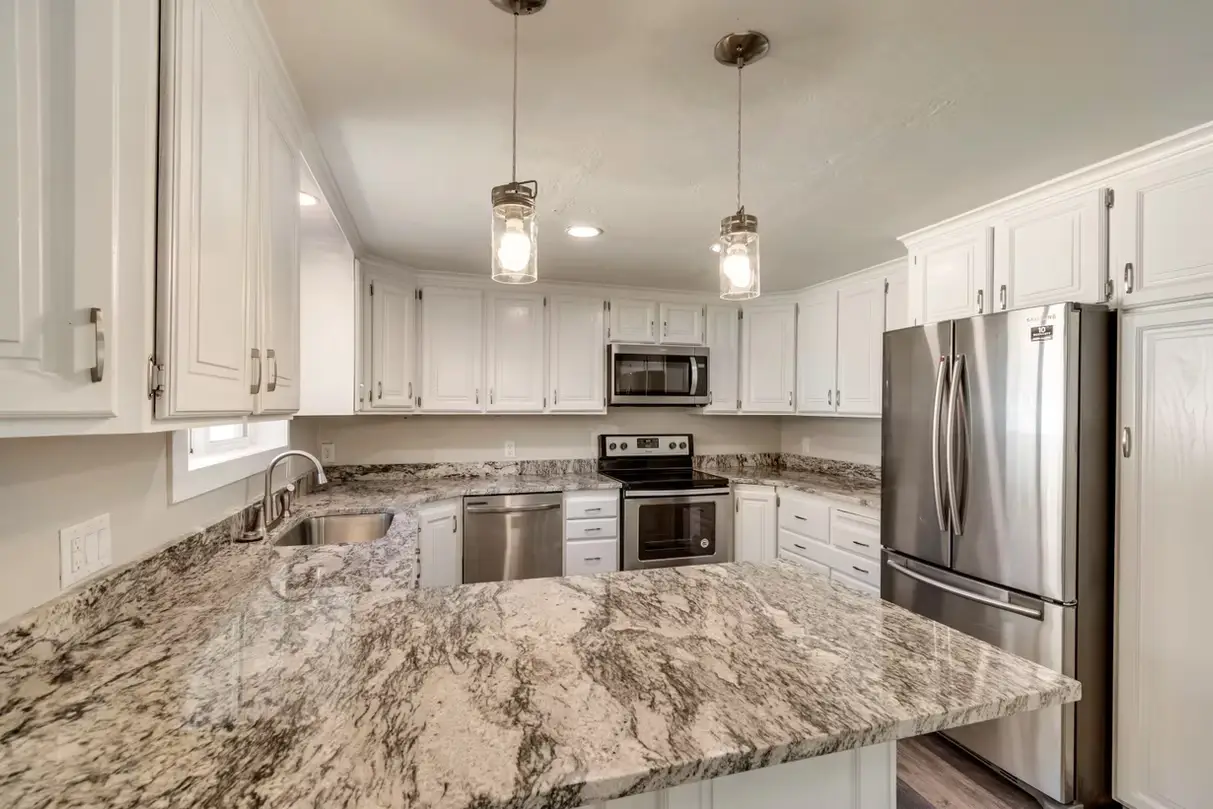
Kitchens and wet bars: From a coffee bar to a full second kitchen, our basement kitchens serve hosts, teens and extended family, with layout and finish help from our in-house design team.
Basement apartments and ADUs: Utah law now lets most cities allow internal ADUs. We design basement apartments and mother-in-law suites and check local limits for your address.
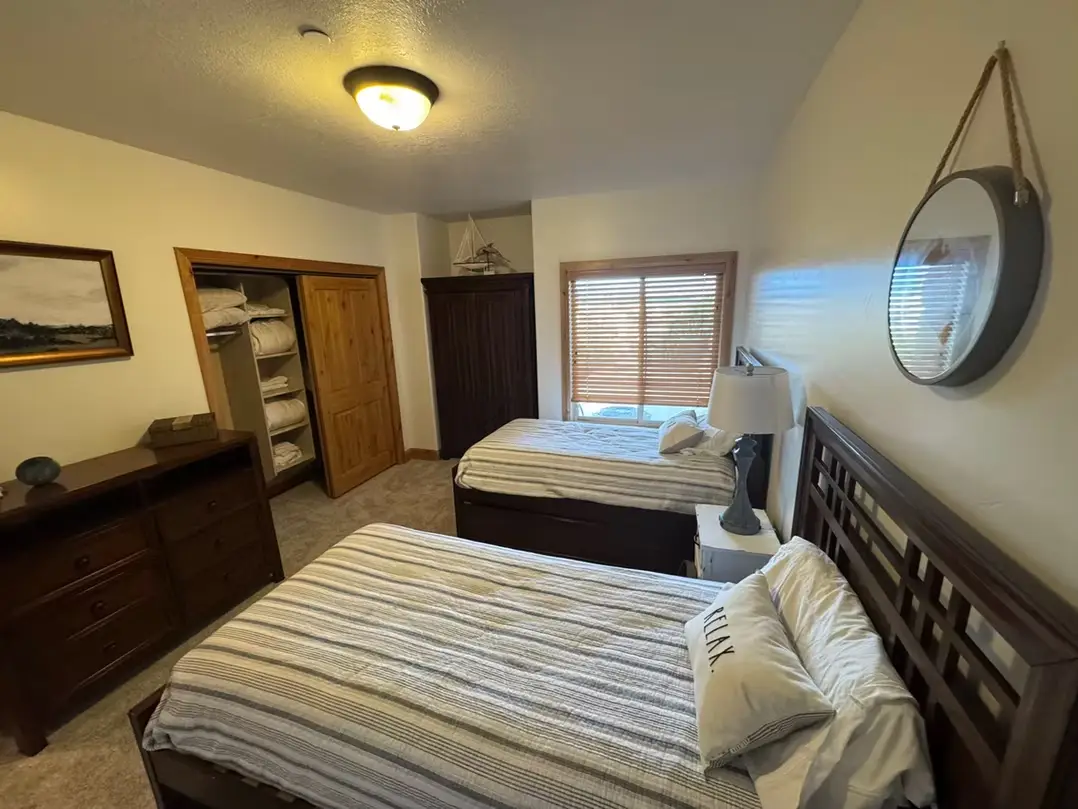
Egress bedrooms and guest suites: Code-sized windows and wells that turn storage rooms into legal sleeping rooms, whether that means cutting concrete in a west-side rambler or framing around an existing window in a new build.
Theaters, gyms, offices and storage: Sound-isolated media rooms, workout spaces, quiet offices and ski-gear storage for families who head up the Cottonwood canyons every winter weekend.
Whole-home remodels: Basement, kitchen and bathroom work under one plan with our whole-home remodeling team.
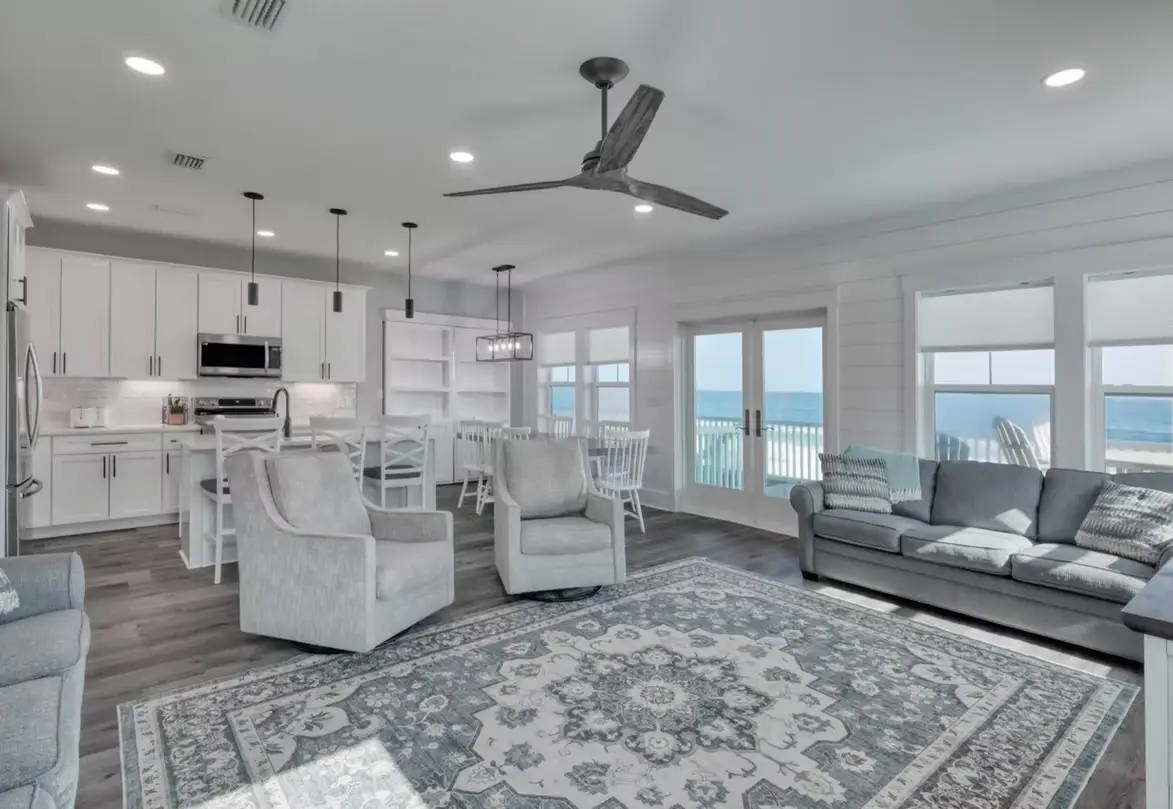
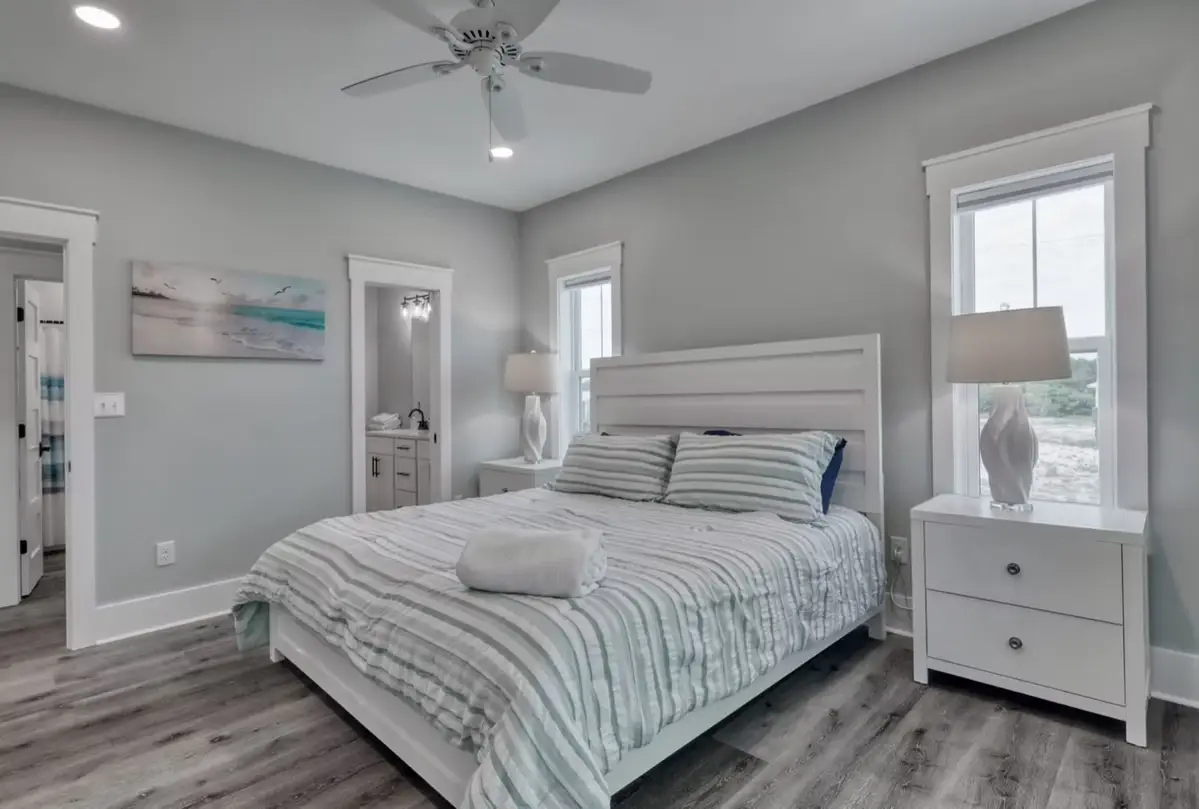
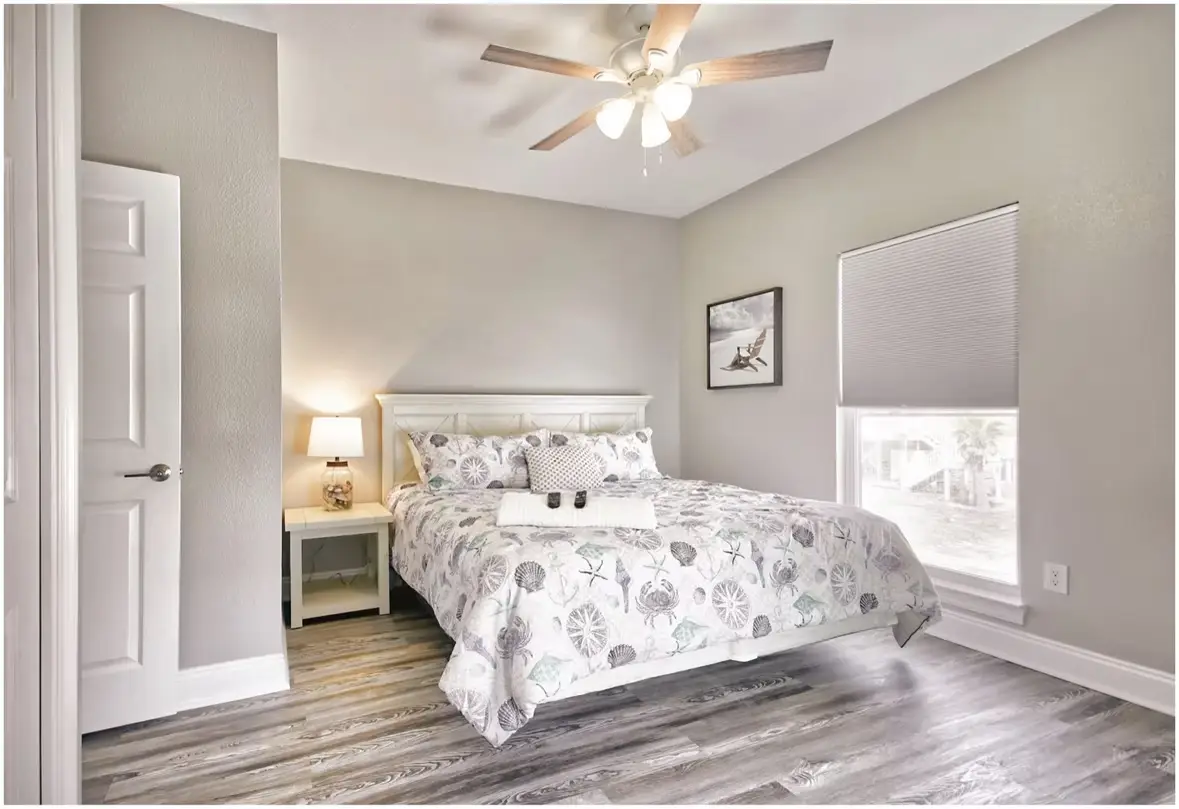
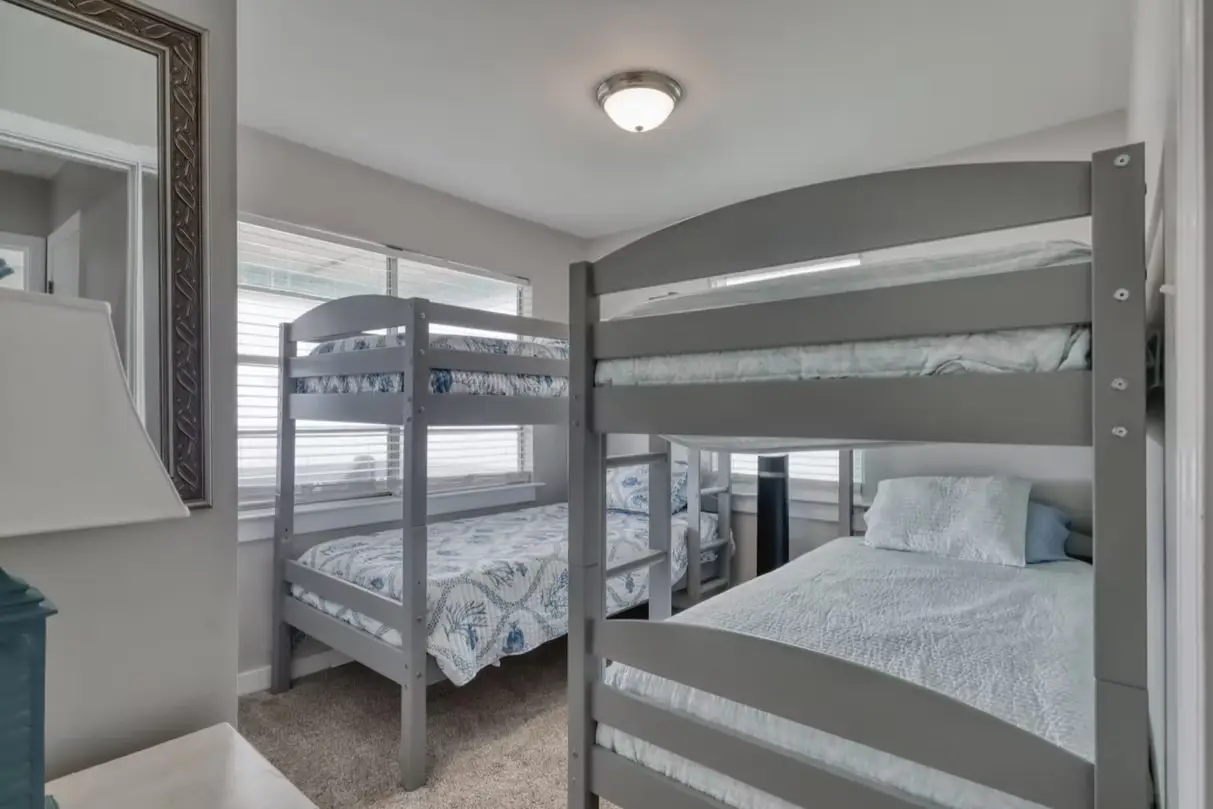
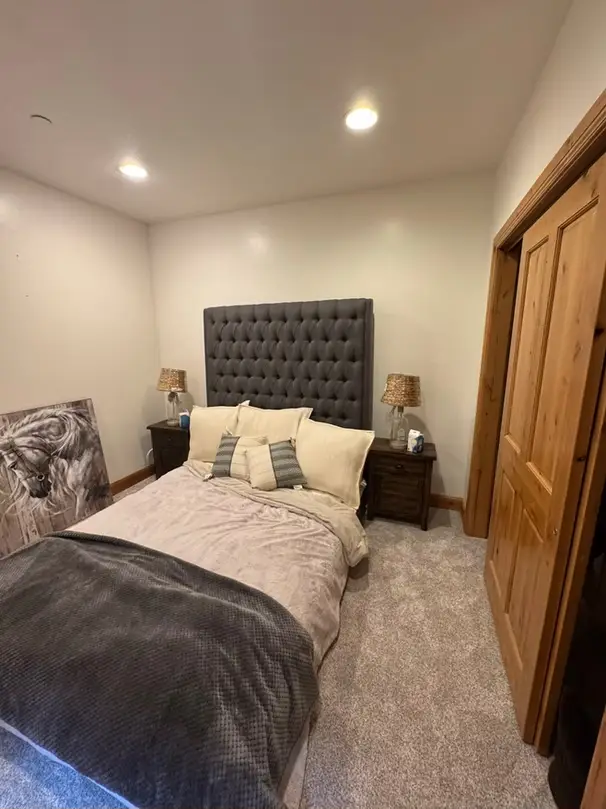
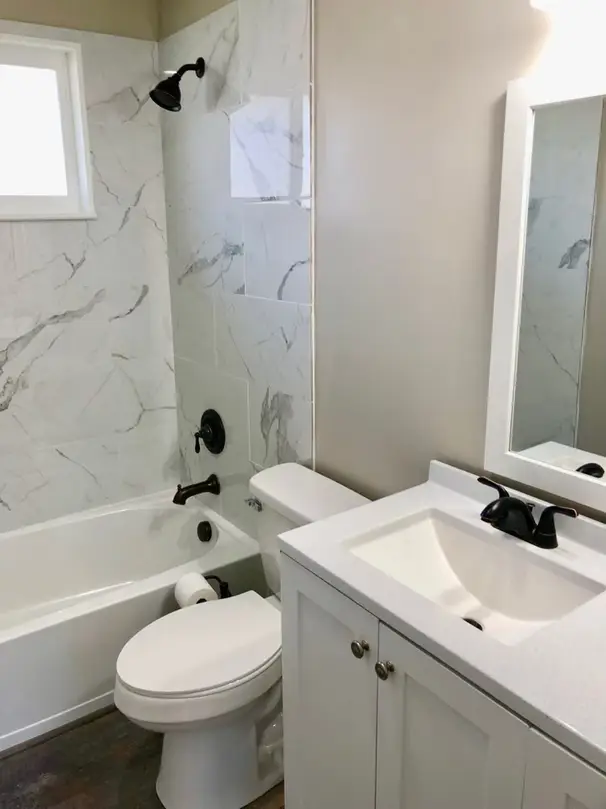
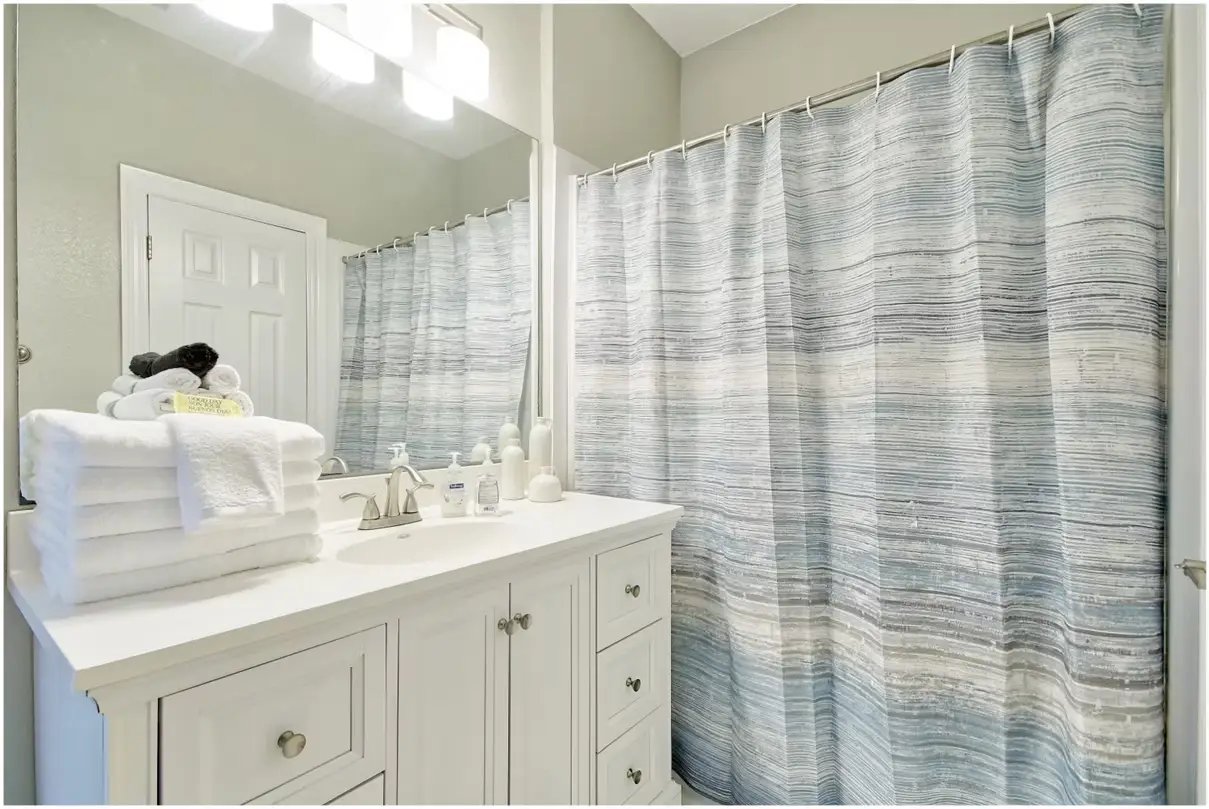
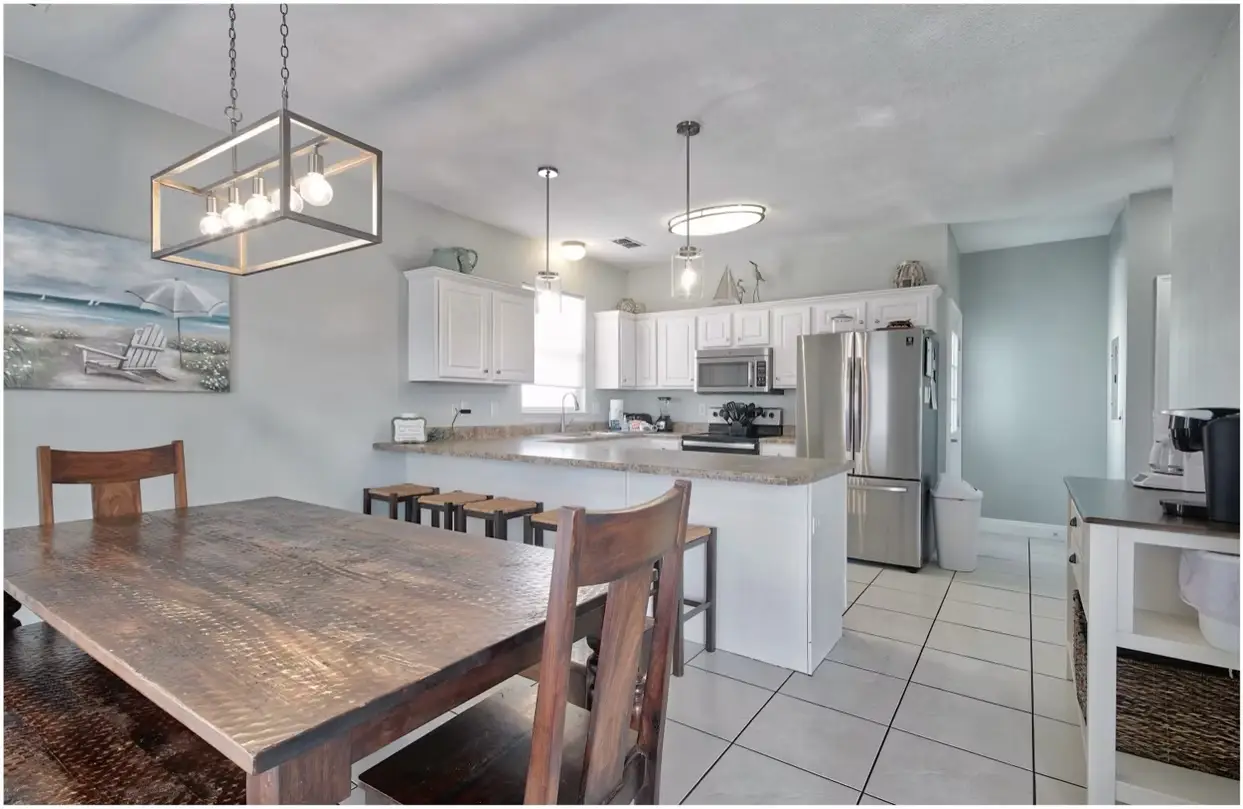
Basement Remodeling Across the Salt Lake Valley
Why does basement work vary so much across Salt Lake County?
Because the valley’s homes span more than a century. Older central and east-side neighborhoods often have low cellars and dated finishes; the west side has many 1950s–80s ramblers and split-levels, with clay soils and higher groundwater in places; the south valley is full of newer homes with unfinished, full-height basements. The plan, cost and permit path change with each.
A few county-wide habits hold true everywhere: we fix grading, gutters and window wells before framing, use rigid foam against concrete and moisture-tolerant LVP floors, and recommend a radon test before the ceiling closes up. Every sleeping room gets a code-compliant egress window, at least 5.7 sq ft of net clear opening with a sill no higher than 44 inches.
What does it cost to finish a basement in Salt Lake County?
Typical 2026 Utah pricing runs about $40–$100+ per sq ft, so a 1,000 sq ft basement commonly lands between $45,000 and $85,000. Your actual price comes from our itemized estimate.
- Basic finish: about $45–$65/sq ft
- Upgraded finishes: about $60–$85/sq ft
- With a kitchen or bath and higher-end finishes: about $75–$110+/sq ft
Expect older homes to need more demolition and electrical work, and newer homes to move faster thanks to existing rough-ins and egress. What we quote is what you get.
Who handles basement permits in the county?
Each incorporated city, from Salt Lake City to Bluffdale, runs its own permitting. Unincorporated metro townships, including Kearns, Magna, White City, Copperton and Emigration Canyon, are served by the Greater Salt Lake Municipal Services District (MSD). DreamBuilt confirms the right jurisdiction, pulls the permit and coordinates inspections.
Whole-home remodeling in Salt Lake County
When the basement is one piece of a bigger plan, our whole-home remodels give you one project lead from demolition to final walkthrough, structural engineering coordinated in-house, daily logs and Friday on-site reviews.
Find your Salt Lake County community
Salt Lake City and the central valley
- Salt Lake City: early-1900s homes in the Avenues and other older neighborhoods, where low cellars and historic houses call for careful planning.
- Sugar House: 1920s–40s bungalows and cottages with low-ceiling basements near Sugar House Park.
- South Salt Lake: compact older homes close to downtown, where an extra bedroom or internal ADU adds the most value.
- Murray: older homes near the historic downtown alongside mid-century ramblers ready for updated lower levels.
- Midvale: older homes around historic Main Street plus newer housing near Bingham Junction.
East bench and canyon mouths
- Millcreek: mid-century ramblers and split-levels from the valley floor up toward Millcreek Canyon.
- Holladay: established neighborhoods with larger lots, mature trees and mid-century to custom homes.
- Cottonwood Heights: 1970s–80s foothill homes near Big and Little Cottonwood Canyons, where ski-gear rooms are a favorite.
South valley
- Sandy: 1970s–90s bench homes near Dimple Dell Park, many with original basement finishes due for a redo.
- Draper: newer homes from the valley floor to SunCrest and Corner Canyon, often with HOA guidelines.
- South Jordan: Daybreak and other newer communities with full-height basements waiting to be finished.
- West Jordan: older east-side neighborhoods and newer builds stretching west toward the Oquirrhs.
- Riverton: 1990s–2000s family homes, many with basements left partly or entirely unfinished.
- Herriman: new construction in areas like Rosecrest, where raw basements are the norm.
- Bluffdale: larger semi-rural lots near Point of the Mountain alongside newer subdivisions.
West side
- Taylorsville: split-levels and tri-levels between Redwood Road and Bangerter, with half-above-grade lower floors.
- West Valley City: Hunter, Granger and Chesterfield homes where clay soils and groundwater make moisture prep essential.
- Kearns: 1950s–70s ramblers near the Utah Olympic Oval, permitted through the MSD.
- Magna: mining-era homes near historic Main Street and newer foothill subdivisions, also under the MSD.
Outside the valley, see our Summit County, Morgan County, Davis County and Weber County pages. Wherever you live in Salt Lake County, request your free estimate and an owner will respond within one business day.
Words From our clients.
Salt Lake County Basement Remodeling FAQs
Does DreamBuilt work in every city in Salt Lake County?
We serve communities across the county, from Salt Lake City and Holladay to Herriman, Magna and Bluffdale. Because we cap our calendar at 14–18 builds a year, availability depends on timing rather than location. Reach out early and we’ll tell you honestly when we can start. Use our contact page to begin.
Who issues permits for basements in unincorporated parts of Salt Lake County?
The Greater Salt Lake Municipal Services District (MSD). It handles planning and building for metro townships such as Kearns, Magna, White City, Copperton and Emigration Canyon. Incorporated cities handle their own permits. DreamBuilt confirms the right office for your address, submits the application and coordinates all inspections.
What's a realistic budget for a 1,000 sq ft basement in the Salt Lake Valley?
Commonly about $45,000–$85,000, based on typical 2026 Utah pricing of roughly $40–$100+ per square foot. Bathrooms and kitchens push costs up the most, and older homes may need demolition or electrical updates first. DreamBuilt provides an itemized estimate, and what we quote is what you get.
Can I build a basement apartment anywhere in Salt Lake County?
In most places, yes. Utah’s HB 82 (2021) requires most municipalities to allow internal ADUs within single-family homes, but cities and the MSD may apply owner-occupancy, parking or zoning conditions. We check the rules for your specific property before design. Learn more about basement apartments.
Is radon testing recommended for homes across the Salt Lake Valley?
Yes, on every side of the valley. Radon levels vary house to house, so Utah DEQ urges all homeowners to test, and the EPA action level is 4 pCi/L. Testing before you finish lets us rough in mitigation while ceilings and walls are still open, which is simpler and cheaper.
How long does a basement finish usually take in Salt Lake County?
Most basement finishes take about 8–12 weeks of construction after permits are issued. Projects with kitchens, bathrooms, structural changes or older-home surprises run longer. We share a schedule at approval, post daily logs and meet with you on site every Friday so progress is never a guess.
What protects me if something isn't right after the project?
Our final payment structure and warranty. You owe the second 50% only once every punch-list item is done and you’ve signed off. Every project carries a one-year workmanship warranty, and we check in at 30, 90 and 365 days. Read the full seven-step process.